🍛 Food & Nutrition
High protein vegan foods
A guide to what to eat and in what quantity.
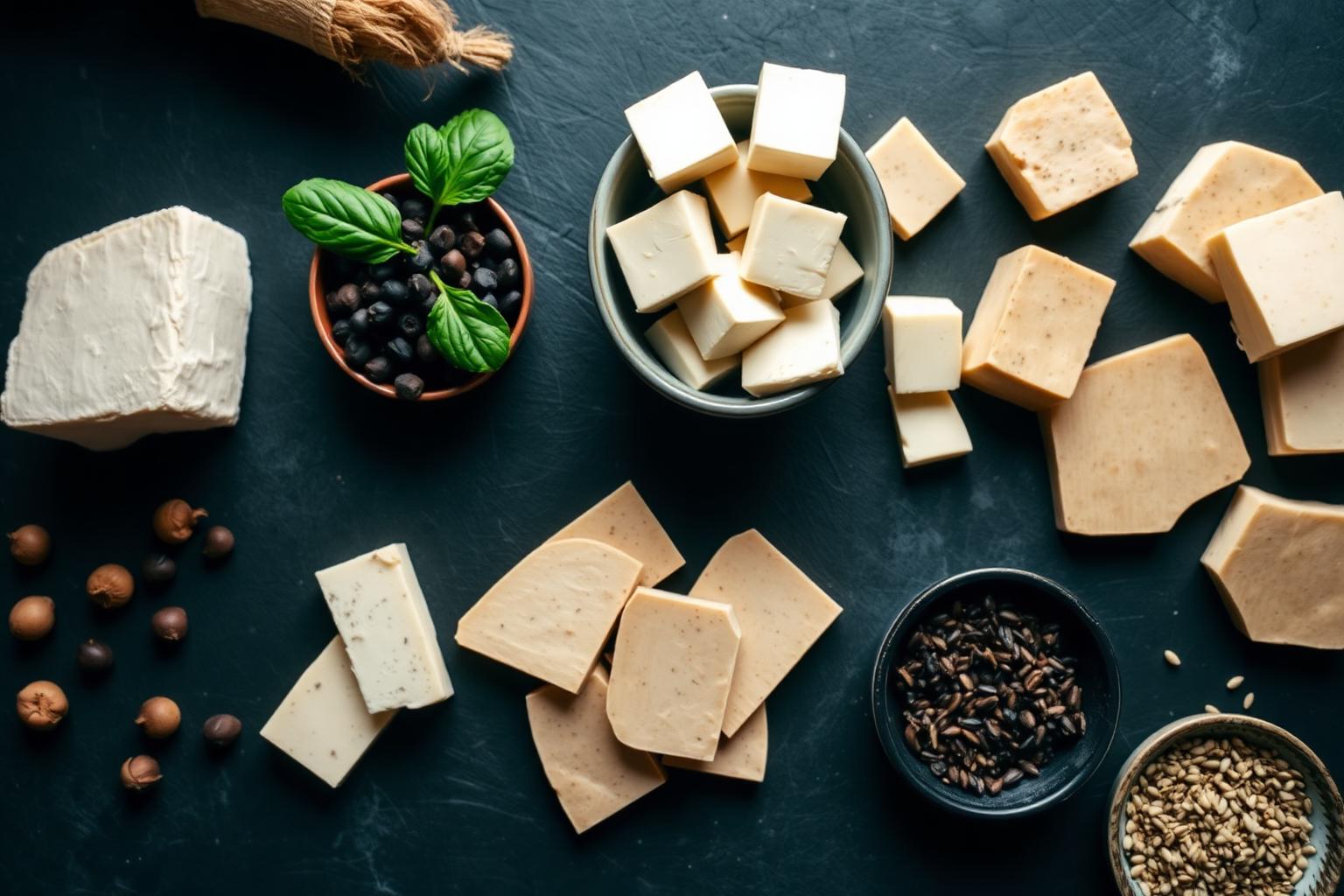
How much protein is required
The standard recommendation is 0.8g per kg of body weight per day for sedentary adults, which is roughly 50-65g for most adults. Trained or actively strength-training individuals require 1.2-1.6g per kg, or 80-120g. Intakes above this range are not supported by nutrition research.
High-protein vegan foods
| Food | Protein per 100g | Notes |
|---|---|---|
| Vital wheat gluten (dry) | 75g | The base for seitan; a little goes a long way |
| Soya chunks (dry) | 52g | The most economical source by weight |
| Hemp seeds | 31g | Suitable on dal or oats |
| Seitan (cooked) | 25g | Made from vital wheat gluten; meaty texture |
| Peanuts | 26g | Snacks, peanut butter, sattu |
| Black chana (dry) | 22g | Chaat, sundal, curry |
| Almonds | 21g | Soaked, in milk or as a snack |
| Kala chana or rajma (dry) | 22g | Comparable protein content |
| Lentils (dry) | 24g | Toor, masoor and urad fall in this range |
| Pumpkin seeds | 19g | Snacks or salad topping |
| Tempeh | 19g | Fermented soy |
| Edamame | 12g | Frozen or fresh |
| Quinoa (dry) | 14g | Millets provide comparable value at lower cost |
| Sattu | 22g | Roasted chana flour |
| Tofu | 8g | 16g per typical 200g block |
| Soy milk | 3g per 100ml | Sofit, Staeta |
| Whole wheat roti | 11g | Approximately 3g per roti |
| Brown rice | 7g | Approximately 2.5g per cup, cooked |
| Green peas | 5g | Cooked |
| Oats | 13g | Approximately 5g per serving |
| Chia seeds | 17g | Around 2g per tablespoon |
| Plant protein powder | 22g per scoop | Pea and brown rice blends |
Infographic
Protein per 100g
Common Indian vegan foods, dry weight where noted
Soya chunks(dry)
Hemp seeds
Peanuts
Lentils(dry)
Sattu
Rajma / kala chana(dry)
Almonds
Pumpkin seeds
Tempeh
Chia seeds
Quinoa(dry)
Oats
Whole wheat roti
Tofu
A sample 100g protein day
- Breakfast: oats (50g) with soy milk (200ml), peanut butter (15g) and banana - approximately 17g
- Mid-morning: sattu drink (30g in water with salt and lemon) - approximately 7g
- Lunch: dal (one katori), brown rice (one cup), sabzi and roasted chana (50g) - approximately 25g
- Snack: peanuts (30g) - approximately 8g
- Dinner: tofu (200g pan-fried) or seitan (120g), two rotis and sabzi - approximately 30g
- Optional evening: plant protein shake - approximately 22g
The total is approximately 109g, achievable without protein powder if the other portions are slightly increased.
Infographic
Meat replacers, by texture
Pick by mouthfeel, not just protein
The chewy, meaty one
Soya chunks
52g / 100g dry
Best for: Keema, curries, biryani, kebabs
The paneer swap
Tofu
8g / 100g
Best for: Bhurji, tikka, stir-fries, gravies
The pulled-meat one
Jackfruit (raw)
2g / 100g
Best for: Kathal sabzi, biryani, tacos, sandwiches
The umami base
Mushrooms
3g / 100g
Best for: Do pyaza, masala, stroganoff, stir-fries
The wheat-based one
Seitan
25g / 100g
Best for: Steaks, kebabs, stir-fries, shawarma
The fermented one
Tempeh
19g / 100g
Best for: Marinated cubes, bacon-style strips, curries
On 'complete protein'
The old rule that you must combine rice and dal in the same meal is outdated. Current guidance from PCRM, Harvard T.H. Chan and the British Dietetic Association is consistent: a varied intake of plant proteins across a day supplies the full range of essential amino acids. That said, traditional pairings like rice + dal, khichdi, chana + roti or hummus + pita are complementary by design - they cover the amino acid profile in a single meal without any effort.
Recommended plant protein powders
All of the brands below are clinically tested and use plant-based protein sources (pea, brown rice, mung bean or similar blends).
- Wellbeing Nutrition - clinically tested; clean-label plant blends with added greens and digestive enzymes.
- Dame Health - clinically tested; formulations designed for women, with iron, B12 and folate built in.
- Plix Life - clinically tested; broad flavour range and effervescent options.
- Cosmix - clinically tested; single-ingredient and functional blends with minimal additives.
- Yogabar - clinically tested; widely available pea and brown rice protein with a familiar Indian flavour profile.
Avoid formulations containing whey isolate, dairy proteins or unspecified 'amino blends'.
References
Written by Malavika Malaviya. Last updated 20 June 2026. Found something out of date? Tell us.
Keep reading
The vegan Indian kitchen
The flagship food guide: kitchen, thali and grocery list.

The B12 guide
A short reference on what to take and how to test.
The dairy alternatives guide
If you fix dairy, you've done 80% of going vegan in India. Here's how, exactly.