🧠 Social Situations
Talking to Indian parents about going vegan
Scripts, strategies and what to avoid at the dinner table.
Understanding the reaction
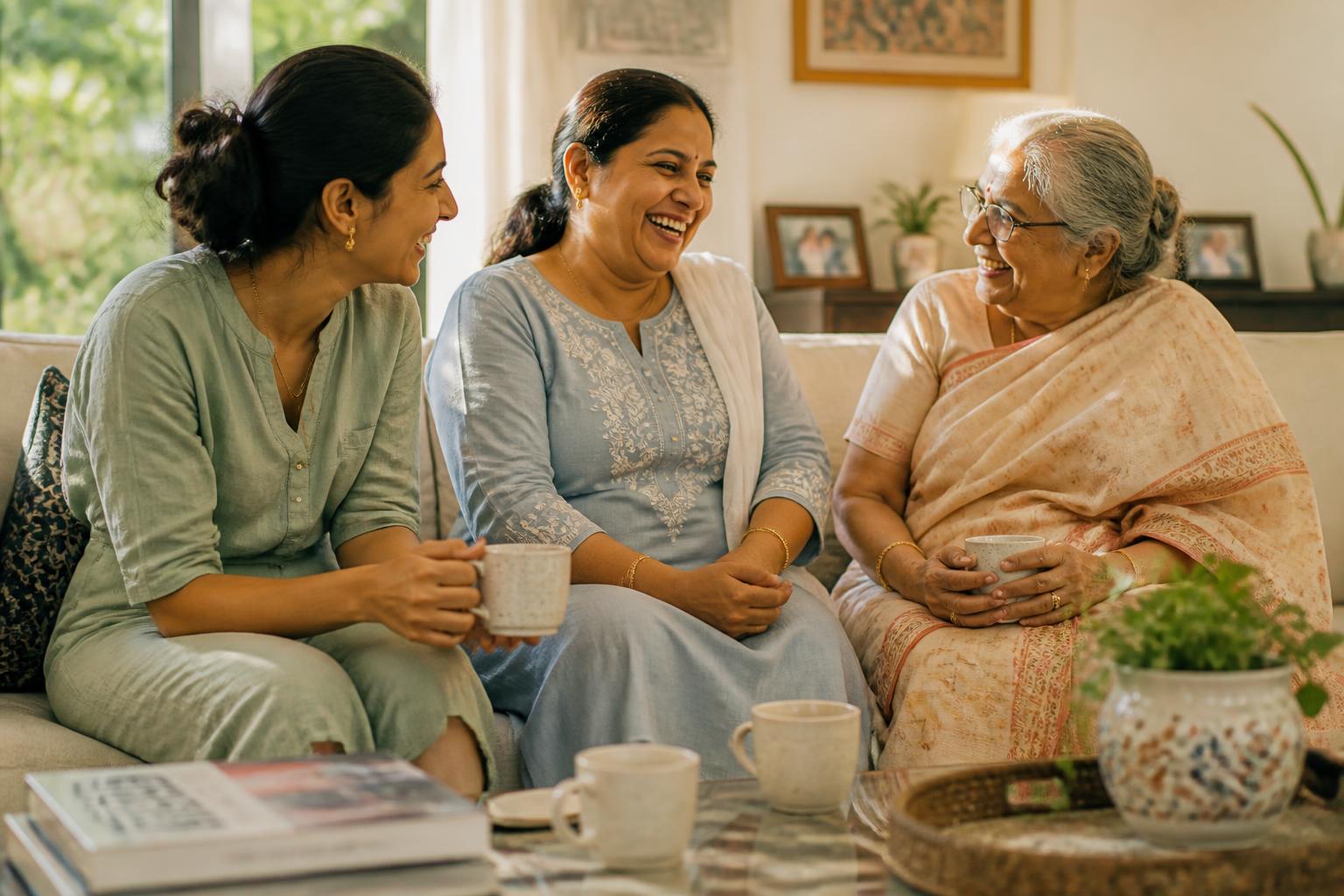
When a parent reacts strongly to the news, the underlying concerns are rarely about veganism as such. Typical worries include:
- Whether the child is eating enough.
- Long-term health, particularly around pregnancy.
- Social implications, including weddings and shared meals.
- Whether they've done something wrong or somehow contributed to the decision.
For many families, the conversation is really about care, love and worry rather than nutrition itself. Recognising that can make discussions much more constructive.
The opening conversation
Choose a quiet moment rather than a large family meal. A useful opening is:
"I have made a change to what I eat, and I would like to explain it so that you understand and don't worry. I'm now eating only plant foods - no dairy, meat or eggs. I've been thinking about it for a while, I've researched how to meet my nutritional needs and I'll continue looking after my health."
Common questions
- Protein. A brief explanation - dal, chana, tofu, soya - and, where possible, a shared meal that demonstrates the point.
- Calcium. Sesame, ragi, tofu and leafy greens cover this comfortably; a normal blood report is reassuring.
- Reason. A short, direct explanation, without extended argument, is usually more effective than a longer one.
Approaches to avoid
- Do not present graphic material from the animal-agriculture industry. It tends to feel manipulative and closes the conversation.
- Do not overstate the evidence. If a source is unavailable in the moment, offer to send it later, and do so.
- Do not decline every gesture. A parent making tea with dairy is expressing care; the response is better handled quietly, after the fact.
- Do not treat every meal as an opportunity to discuss veganism. It fatigues everyone.
- Don't expect one conversation to change deeply held beliefs. People usually need time to process new information.
Constructive steps
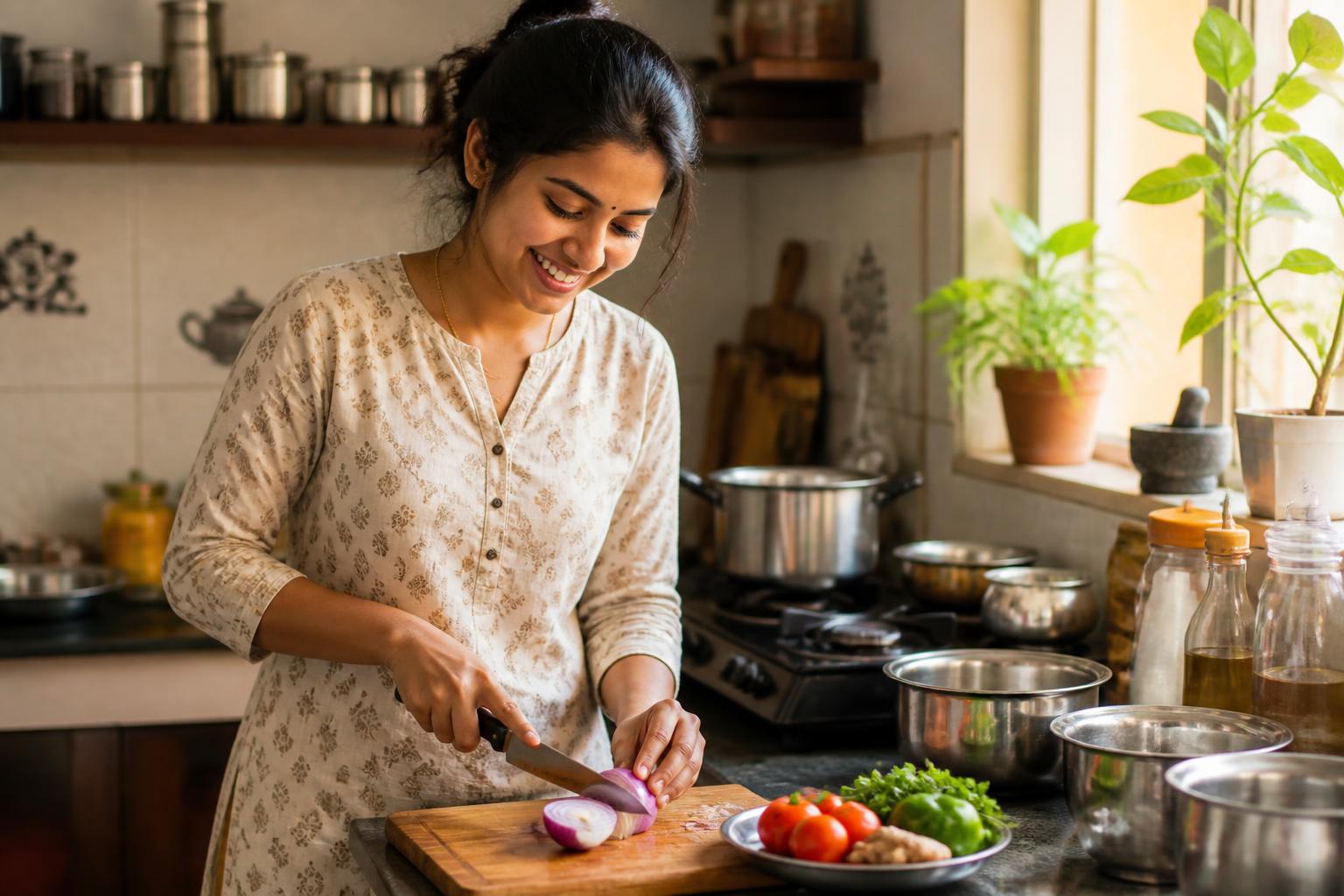
- Cook for the family. Preparations such as rajma chawal, tofu bhurji, peanut curry and vegan chocolate cake typically reset assumptions about what plant-based food tastes like.
- Take care of your health. Eating enough, supplementing appropriately and staying healthy often does more to reassure loved ones than any debate.
- Contribute to family gatherings. Bringing a dish that others enjoy shifts the role from restrictive guest to contributing member.
- Allow time. Some families adjust within weeks, others take years and a few may never fully agree. Relationships often improve gradually rather than through one big conversation.
Useful responses
"You need milk for calcium."
"Calcium is available from a number of plant sources - sesame, tofu, ragi, leafy greens. My blood calcium is within normal range."
"What about when you have children?"
"Well-planned vegan pregnancies are supported by the BDA and the Academy of Nutrition and Dietetics. When the time comes I will work with an obstetrician familiar with the approach."
"You will become weak."
"I train regularly and my lifts have improved. I have bloodwork every six months and will address anything that changes."
"Why?"
"I read about how animal products are produced and did not feel able to continue. It is a personal decision, not a criticism of anyone else."
The longer view
Over time, some families begin preparing vegan dishes, asking more questions or becoming curious enough to try plant-based alternatives themselves. Progress is often gradual and may happen without much discussion.
Sometimes the biggest changes happen quietly. A parent who once refused oat milk may eventually buy it for guests or start making one vegan dish without mentioning it. Small shifts like these are often signs that attitudes are changing.
When attitudes do not shift
Some parents will not come around, and continuing the relationship remains important. Sharing dal-chawal, declining the curd and maintaining regular contact is generally sustainable. Healthy boundaries matter. It's possible to remain close to family while staying true to your values, even if you never completely agree about food.
Remember
Changing your own lifestyle doesn't require changing someone else's.
Your goal isn't to "win" an argument or persuade your family overnight. It's simply to help them understand your decision while maintaining a respectful relationship.
People are much more likely to become curious about veganism after seeing someone live it happily than after losing an argument about it.
References
Written by Malavika Malaviya. Last updated 20 June 2026. Found something out of date? Tell us.